Smart CAPEX 2026: The CFO’s Guide to Balancing New and Certified Pre-Owned SMT Equipment


In the high-stakes world of semiconductor and SMT (Surface Mount Technology) manufacturing, capital efficiency is the difference between surviving a downturn and dominating a market recovery. As we approach 2026, Factory Owners and CFOs across Southeast Asia, from Batam to Vietnam face a critical dilemma: do you invest heavily in brand-new OEM equipment with 12-month lead times, or do you risk the secondary market?
The answer isn't binary. The most successful manufacturers are adopting a Hybrid Inventory Model.
The Hybrid Advantage: Maximizing ROI Without Sacrificing Quality
The traditional mindset suggests that "New is always better." However, in a landscape defined by rapid technological shifts and tight margins, paying a premium for 100% new lines is often financially inefficient.
At PSI Global Tech, we advocate for a strategic mix:
- Buy New for critical, cutting-edge processes where precision is non-negotiable (e.g., Ultra-fine pitch 3D AOI or the latest Chip Mounters for 01005 components).
- Buy Certified Pre-Owned for standard, robust processes (e.g., Reflow Ovens, Conveyors, or secondary Pick-and-Place turrets).
This approach allows manufacturers to slash CAPEX by up to 40% while maintaining the same output quality. It frees up cash flow for R&D and talent acquisition, which are crucial for staying competitive in hubs like Penang and Shenzhen.
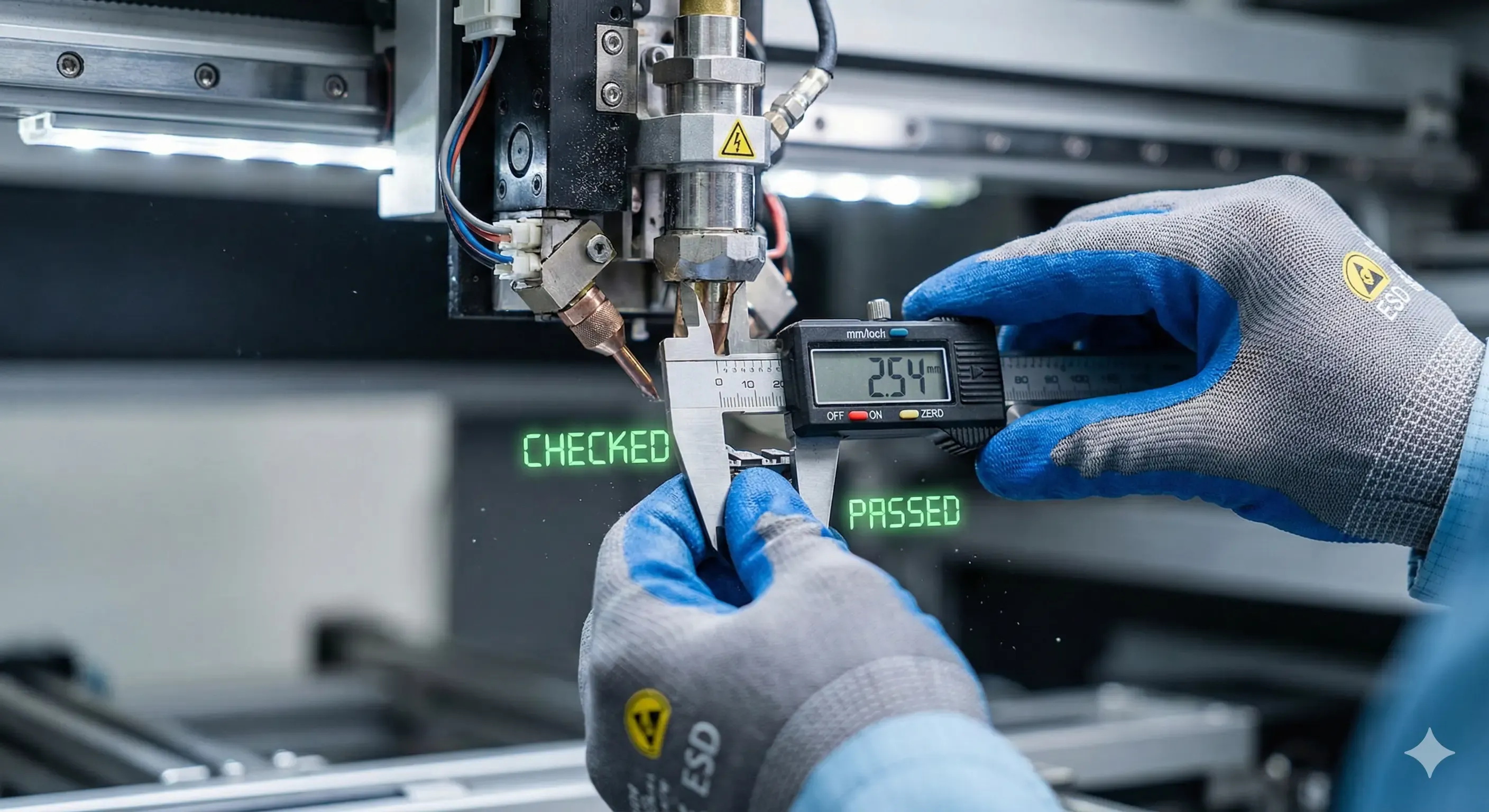
Mitigating Risk: The "100% Audited" Standard
The hesitation to buy used equipment often stems from the fear of the "Wild West" secondary market—hidden defects, missing parts, and no warranty. This is a valid concern for any Process Engineer.
However, the distinction lies between "Used" and "Certified Pre-Owned."
Unlike typical brokers, a partner who acts as a Trusted Hybrid Accelerator conducts forensic-level internal audits. Before a machine leaves our facility, it undergoes a rigorous inspection covering:
- Feeder calibration checks.
- Software version compatibility.
- Wear-and-tear analysis on nozzles and heads.
This ensures that a machine landing in a factory in India performs identically to one installed in Singapore. The goal is to provide the reliability of a new machine at the price point of a pre-owned asset.
Speed to Market: Beating the OEM Lead Time
In the electronics manufacturing industry, time is the most expensive currency. If you secure a sudden contract for automotive PCBs, waiting 8 to 12 months for a new machine from an OEM can cost you the deal.
Certified pre-owned inventory is typically available for immediate deployment. By maintaining a live inventory of over 875+ assets, the Hybrid Model allows factories to scale up production capacity in weeks, not months. This agility is a massive competitive advantage in fast-moving markets like Thailand and Indonesia.

Conclusion: A Smarter Way to Build
The manufacturing landscape of 2026 demands intelligence over brute force spending. By adopting a Hybrid Inventory Model, CFOs and Operations Directors can build resilient, high-yield production lines that respect the bottom line.
Whether you are retrofitting a facility in Ho Chi Minh City or expanding a line in Batam, the right mix of new and certified pre-owned equipment is the key to sustainable growth.
Ready to optimize your production line? Contact PSI Global Tech today to review our latest global inventory list.